When You Commission Art Do You Get a Physical Copy
How to take commissions: The dos and don'ts
Equally a freelance artist or designer, it's crucial to know how to take on commissions in the best mode you can. Working on a committee for a client can exist a tricky affair. However talented you are artistically, a customer is also a person, with all the flaws and foibles we humans share. So you demand to tread carefully.
This article puts together a series of tips from industry pros, so you lot'll know the dos and don'ts of taking a commission – helping yous to piece of work meliorate with clients and gain repeat and new business concern.
A sparkling portfolio is the best way to concenter new clients and so here'southward some inspiration for your design portfolio . Need to upgrade your blueprint toolkit? These are the best tools for graphic designers and web blueprint tools effectually right now.
01. Know how to summate your fee

The commencement dilemma is how much to charge. That'southward not e'er like shooting fish in a barrel, even for a seasoned professional person like Usa-based illustrator Annie Stegg. "Calculating fees is e'er very difficult," she says. "While I exercise become by industry standards, I tend to adjust my fee based on how long I think it will have me to complete an image. If there are high-cost materials, that's also factored in. Information technology's near hit a remainder."
Others have a similar approach. French illustrator and art editor Olivier Bonhomme says, "I usually calculate my fee on a day charge per unit, only it depends how big the project and client are. I might charge less for a small music ring project, for example: it really depends on the context."
02. Take complications into account
Rates aren't always straightforward, either, for Kelsey Beckett, a freelance illustrator and fine creative person based in Michigan, United states of america. "My fees are usually calculated based on size, content and medium," she explains. "But sometimes if a client has a vision that is complicated, such equally multiple characters, a detailed background or narrative, the cost will increment."
03. Communicate well
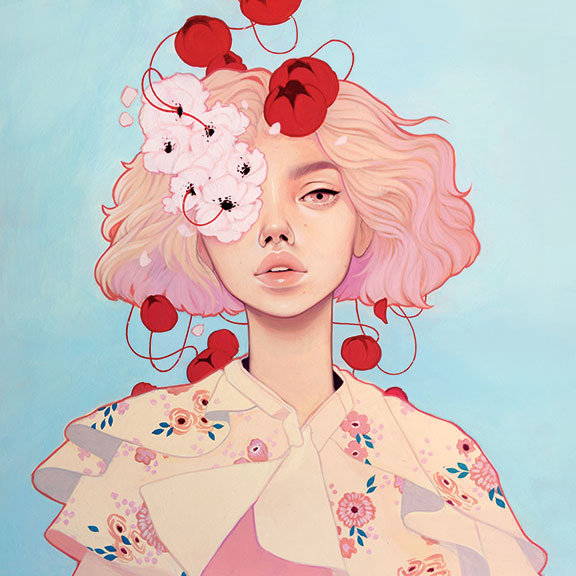
Estimating the time that you're going to spend on a project is challenging, because y'all likewise have to take potential revision requests into account. To avoid also many of those, good communication is vital, believes Beckett.
"It's important to be clear from the start," she says. "Allow them know about additional fees for revisions, the fourth dimension it will accept to consummate a project, and the type of information y'all need from them." She also recommends writing a contract that outlines exactly how you lot handle and charge for edits. "You want to make certain that you and your client are on the same page and both feel secure right out of the gate, and a contract is a very easy way to reach this," Beckett explains.
04. Put in the effort

Equally with any human relationship, the artist-customer is ane that should ideally improve and mature over time. Conversely, when it comes to new clients, it's worth putting a bit of actress try, says Howard Lyon, a fine artist and illustrator based in Utah, US.
"When I piece of work with a new client, I e'er cross my fingers with the beginning job, and hope we share the aforementioned vision," he says. "I'll do extra sketches and make them a little tighter, then at that place are plenty of articulate options for the illustration. That eliminates wasting time on miscommunication."
05. Know what to do when things go s
Sometimes, however, relationship breakdown is inevitable, perhaps considering the client is interim in bad organized religion, or because they don't know what they desire. "There are scammers out there, and there are also people commissioning artists who don't sympathize the industry," says Stegg.
"Having a contract is also a great fashion of fugitive scams before they can exercise any damage to you," says Beckett. "Ane piece of advice that I experience isn't discussed enough is to keep your [courier] tracking numbers, which will let you know if a concrete painting or cartoon has made it to the customer."
06. Spot ruby flags
But whether we're talking about dishonest people or incompetent ones, how do you spot potential bad clients before taking them on? Stegg lists some red flags: "Being unwilling to pay a portion of the overall fee in advance. Being unwilling to pay standard rates. Having extremely specific art management, where you tin tell there will be a meg revisions each stride of the manner. Also, if they tell yous they had to fire their previous artist, it likely means the artist fired them."
Beckett adds her own suggestions to the list. "If someone is brusk with you, leaves y'all feeling anxious, or isn't cooperative. If you offer someone your contract and they turn down to sign. If they refuse to use the payment system you're comfortable with, opting for a cheque or money social club." She adds that information technology'south helpful to take a network of artists who tin can alert you to fraudulent clients they've had in the by.
07. Call up your rights

Remember, too, to examine the pocket-size impress when it comes to rights. "Generally with large companies, you lot want to maintain equally many rights as you can for reprint and reuse," advises Magic: The Gathering artist Rebecca Guay. "Of course, if it'southward your commencement job with them, or you're new, you generally have to take what they are offering, then negotiate a amend deal subsequently."
Meanwhile, when it comes to payment, Guay says, "Get xx per cent after sketches are washed, 20 per cent after a low-res image is approved, and then the balance prior to delivery of the high-res images, or the paintings or drawings if they're traditional, plus a set rate per 60 minutes on all edits."
And the best way to negotiate all of this effectively? "E'er accept your walking shoes on," Guay advises. "If you lot accept the ability to walk away from anything, you'll negotiate improve. If you're completely new, you don't ain walking shoes however but you volition, and when y'all exercise, use them."
08. Maintain your passion
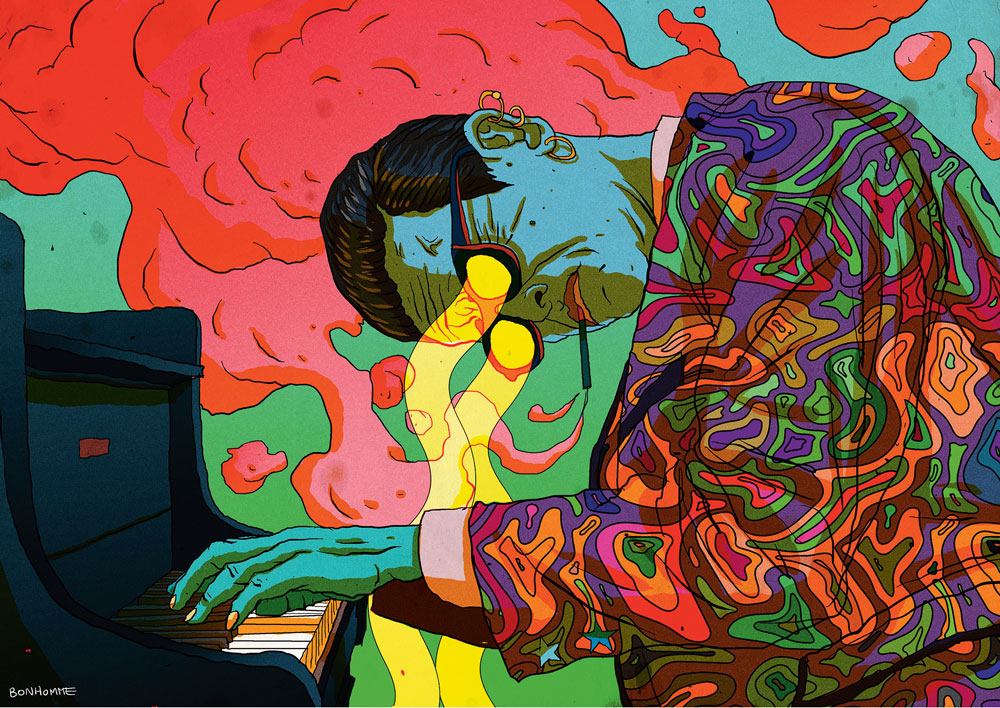
Yet while keeping a absurd business caput is vital when you lot accept a commission, don't lose sight of what led you lot to get an artist in the first place. "I'd say the most important thing is to work with sincerity, fifty-fifty on a small project," says Bonhomme.
"Maintaining passion and being devoted to the work is something that clients tin feel, and so information technology really helps things become smoothly. Continue a clear mind, don't inquire for cheap breaking-market fees, but exist realistic. And concluding only non to the lowest degree, have fun doing it."
This article was originally published in issue 180 of ImagineFX , the world's best-selling magazine for digital artists. Buy effect 180 or subscribe to ImagineFX .
Read more than:
- 10 pinnacle analogy trends for 2020
- The best free business card templates
- The best drawing tablet: Our pick of the best graphics tablets in 2020
Related manufactures
Source: https://www.creativebloq.com/advice/how-to-take-commissions
0 Response to "When You Commission Art Do You Get a Physical Copy"
Postar um comentário